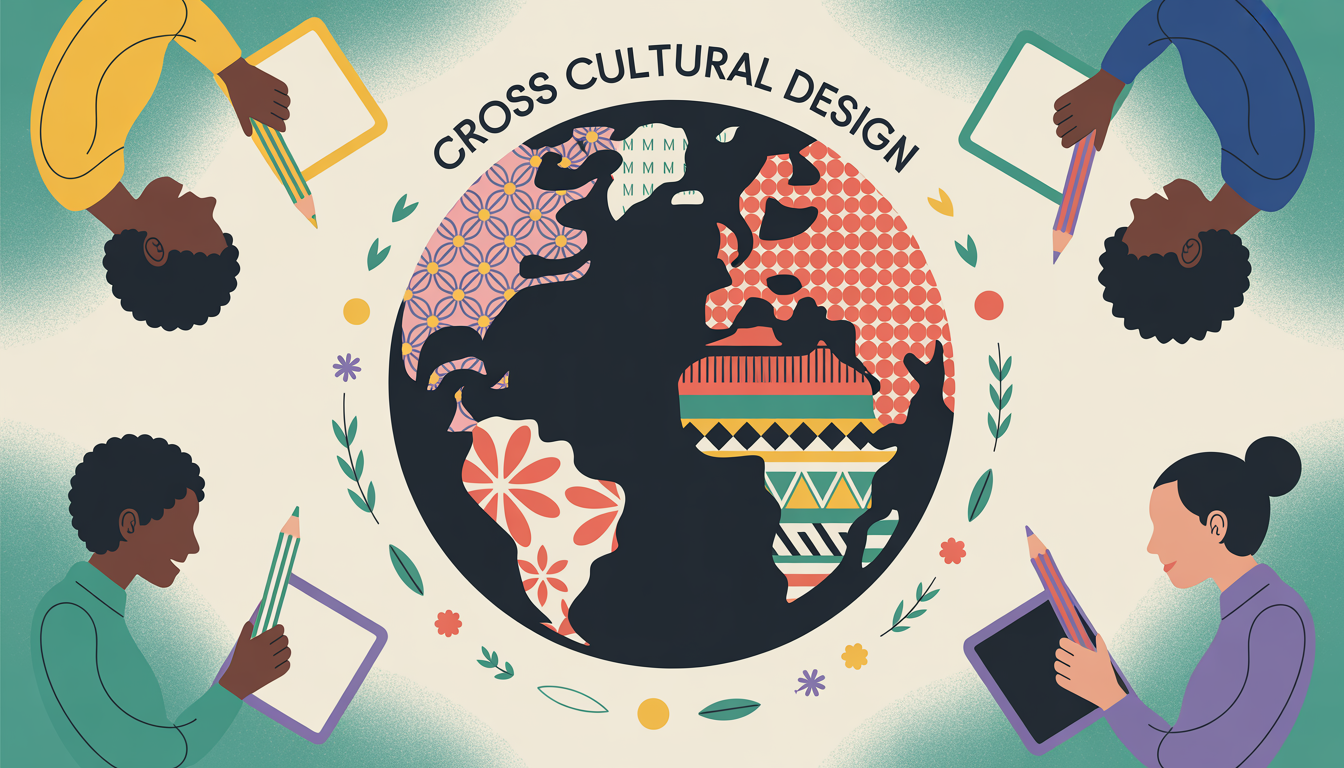
In today’s world, designers must think about the different cultures their users come from. This is key to making user experiences that truly connect. Cross cultural design is about understanding and valuing the many cultures out there. It helps create products and services that speak to people all over the world.
Designers who use a multicultural approach make sure their work fits well in many places. They keep up with the latest global UX trends. And they use design principles that work across cultures in every step of their work.
Learning how to design for different cultures is crucial. It helps make user experiences that are both inclusive and powerful. By celebrating cultural diversity, designers can reach people in new ways. They can build deeper connections with their users.
Understanding Cross Cultural Design
Cross cultural design is about making products and services that people from all over the world can enjoy. Designers use cultural insights to make things that are both culturally aware and easy to use. This approach helps bring people together by offering experiences that everyone can relate to.
To do cross cultural design well, designers need to follow some key steps. They must first learn about the cultural background of their audience. This includes understanding things like how people view individuality versus group identity, and how they handle uncertainty.
Designers also need to think about how people see masculinity and femininity, and their views on time and spending. Knowing these cultural aspects helps designers make choices about what to include in their designs.
Being culturally sensitive is key to avoiding stereotypes and making sure designs are respectful. Designers should aim to celebrate cultural differences by using specific colors, symbols, and images. Making designs that are tailored to different cultures is also important. This way, everyone can feel like their needs are being met.
The Role of Culture in Design
Culture is key in design, shaping how users behave and what they like. The culture around a product or service affects how users feel and think. Designers must get the cultural nuances right to make experiences that truly connect with users.
Things like language, symbols, colors, and images mean different things in different cultures. For instance, the color red might mean passion in one place but danger in another. Designers need to understand these differences to make sure their message gets through.
The impact of culture goes beyond just visuals. It also affects how people communicate and make decisions. In some places, people like things straightforward, while others prefer subtlety. Designers should aim to match these cultural preferences for better interactions.
Also, how culture influences user behavior is crucial for design success. Users from different backgrounds have different expectations and ways of thinking. By really getting to know these cultural contexts, designers can create experiences that meet users’ needs and exceed their expectations.
Notable Cross Cultural Design Examples
In today’s world, brands have learned to design for different cultures. They make their products fit the tastes and needs of various markets. This has helped them grow globally. Let’s look at some examples of cross cultural design success.
Uber, a big name in ride-hailing, has tackled cultural differences well. In the French Riviera, it launched UberCOPTER for luxury travel. In India, UberAUTO offers affordable rides, matching local transport. Uber’s success comes from understanding and meeting local needs.
Netflix, a streaming giant, has also excelled in cross cultural design. It offers a wide range of content for different regions. The company focuses on dubbed versions and subtitles for viewers who prefer their native languages. This approach has made Netflix popular worldwide.
Airbnb, known for unique stays, has shown great cross cultural design skills. In China, it uses local social media platforms like Weibo and WeChat. This makes Airbnb more accessible and user-friendly in this key market.
These examples teach us the value of cultural design in marketing. By learning from successful brands, designers can improve their localization skills. Cross cultural design helps companies connect with more people, leading to happier customers and growth.
Challenges in Cross Cultural Design
Designing for different cultures comes with its own set of challenges. One big issue is using machine translations without understanding the local context. This can result in translations that are awkward or even offensive, pushing users away.
Another problem is not considering local design patterns and user expectations. What works in one culture might confuse or upset users in another. Designers need to study and grasp the specific needs and preferences of each audience to make interfaces that feel right and easy to use.
Dealing with cultural sensitivities is the most delicate part of cross cultural design. Every culture has its own rules, taboos, and social norms that must be respected. Including symbols, colors, or images that offend can harm a brand’s reputation and trust. It’s crucial to do thorough research and get local feedback to avoid these mistakes.
Even with the best intentions, designs can be misinterpreted because of cultural differences. What one group sees as a friendly mascot, another might find childish or silly. Designers should think about how their designs might be seen differently and test them with users from the target culture to catch any issues.
To overcome these challenges, designers need to do deep research, work closely with locals, and keep testing their designs. By being humble and open to learning, designers can create experiences that connect with people worldwide.
Best Practices for Cross Cultural Design
To make cross cultural design work, it’s key to follow best practices. These ensure your design connects with various audiences. Understanding the likes, behaviors, and hopes of different cultures is crucial.
Designers should spend time learning about multicultural audiences. This research helps uncover cultural details that affect how users feel. It might include surveys, focus groups, and user tests. The aim is to use this data to make designs that meet audience needs.

Another vital practice is using personalization strategies. This means making designs, content, and features fit the tastes of different cultures. It might involve using local languages, images, and colors that are meaningful to each group. It also means adjusting interfaces to match cultural norms.
By personalizing designs based on research, designers can make experiences that feel real and connected. This approach boosts user engagement and shows respect for cultural differences. It makes users feel included and valued.
Tools for Effective Cross Cultural Design
To make designs that connect with many people, designers use special tools. These tools help change designs to fit different cultures. This way, designs work better for people from all backgrounds.
Software like Adobe Creative Suite and Sketch helps a lot. They have special parts for different cultures, like icons and colors. This makes it easy for designers to adjust their work for various places and groups.
Research tools are also key for understanding cultures. Google Trends and social media analytics give insights into what people like. Designers use this info to choose the right visuals and language for their audience.
User testing is vital to check if designs work across cultures. Designers get feedback from many users. This helps them fix any cultural mistakes in their designs. Tools like UserZoom and UsabilityHub let designers test with people from all over.
Using these tools, designers can create designs that are not just good but also connect with people on a cultural level. As our world gets more connected, knowing how to use these tools is crucial. It helps designers make a big difference globally.
Effective Communication Across Cultures
In the world of cross cultural communication, designers face unique challenges. They must create user experiences that resonate with diverse audiences. Overcoming language barriers in design is a big hurdle.
Clear translations, localized content, and intuitive visual cues are key. They help users from different linguistic backgrounds navigate and understand the design.
Non-verbal communication in design is also crucial. Symbols, icons, and gestures can convey meaning without text. But, designers must know these elements may have different meanings across cultures.
What’s seen as friendly in one culture might be offensive in another. To avoid misinterpretation, designers should work with local experts and translators. They can offer insights into cultural nuances.
Effective cross cultural communication in design goes beyond words and symbols. It requires understanding the values, beliefs, and practices of the target culture. By immersing themselves in the culture and conducting thorough research, designers can create experiences that feel authentic.
This approach improves usability and fosters trust and connection between the brand and its global audience.
Collaborating with Diverse Teams
Creating successful cross cultural designs needs teamwork. Designers, developers, marketers, and local experts from different cultures come together. This mix of perspectives leads to creative and culturally sensitive designs that appeal to people worldwide.
Open dialogue is crucial in multicultural teams. It’s important for team members to share their views and experiences. This way, everyone understands and respects each other’s backgrounds. Regular talks and listening to each other’s opinions help in finding common ground.
To work well together, clear goals and expectations are needed. Everyone should know their roles and deadlines. Cultural sensitivity training helps team members understand each other better. Strong, inclusive teams unlock the full potential of cross cultural design.
Testing and Iterating with Global Users
In cross cultural design, testing with global users is key. It ensures designs connect with people from all walks of life. By hearing from diverse users, designers learn how their work is seen and used. This feedback helps spot problems and chances to make designs better.
When testing designs globally, think about language, tech access, and cultural norms. Designers should team up with local experts and translators. This makes sure the tests are clear and fitting for each culture. Also, testing on various devices and connections helps find issues in different places.
Getting feedback in cross cultural design works best with both qualitative and quantitative methods. Usability tests, where users do tasks while being watched, offer deep insights. Surveys and focus groups give more detailed feedback on design aspects like visuals and content.
Designers can make their work more inclusive and effective by using feedback from global users. This ongoing improvement is vital for successful cross cultural designs that appeal to people everywhere. By focusing on global testing and diverse views, we can make the digital world more connected and welcoming.
Future Trends in Cross Cultural Design
Technology is changing fast, and it will keep shaping cross cultural design. Designers are using new tech like artificial intelligence and machine learning. These tools help make experiences that fit each user’s culture better.
Virtual and augmented reality (VR/AR) are also big changes. They let designers create experiences that feel real. For instance, VR can take you on virtual tours of cultural spots. AR adds digital info to the real world, making it more interesting and relevant.
VR/AR are getting better and more common. This means designers can make experiences that really connect people. They can also work together better, no matter where they are.
The future of cross cultural design looks great. Designers will keep using new tech to make experiences that are inclusive and respectful. They will help us all feel more connected and understood, one experience at a time.
Embracing Diversity in Design
As designers, we must create experiences that connect with people from all backgrounds. Embracing diversity in design is key, not just a trend. It helps us design products that truly touch people’s lives.
To do well in cross cultural design, designers need to keep learning. They must stay current with cultural trends and user needs. By working with diverse teams, designers can create solutions that work for everyone.
Cross cultural design can bring people together and create global connections. By focusing on diversity, we can make a world that’s more inclusive and connected. As designers, we have a chance to celebrate human diversity, one experience at a time.


