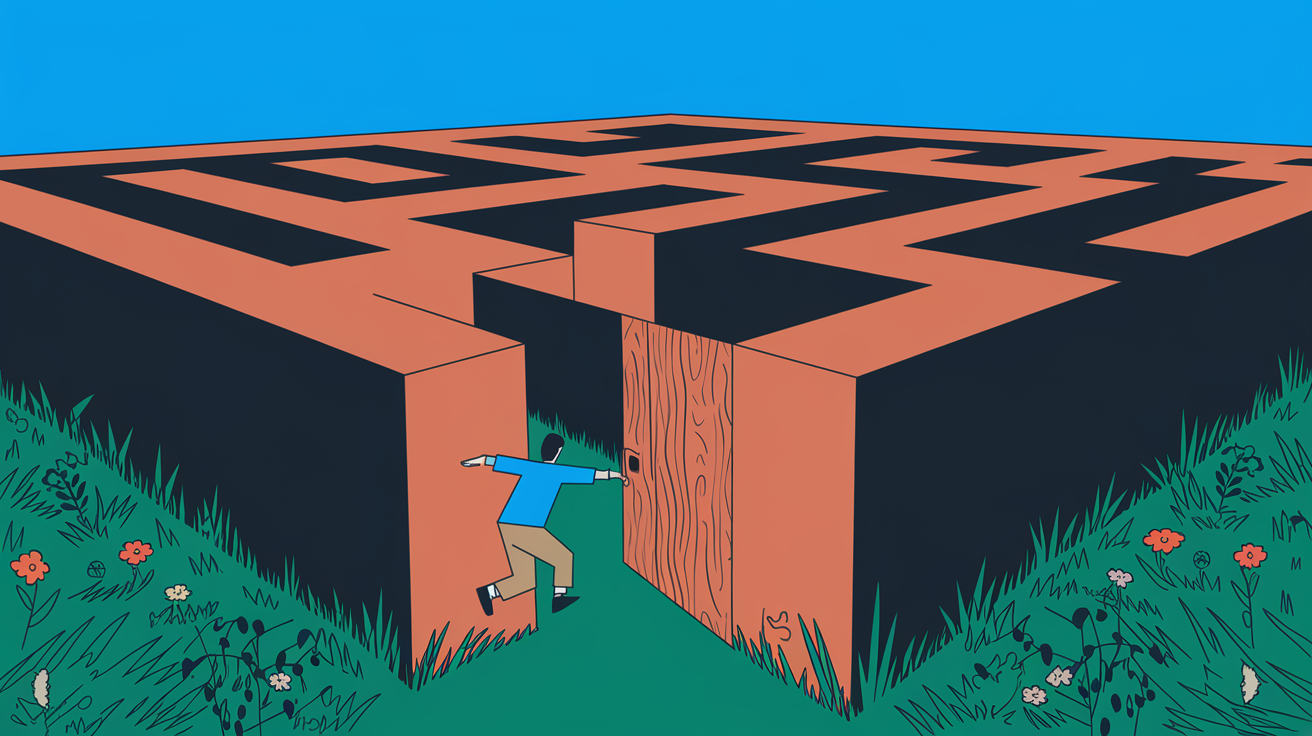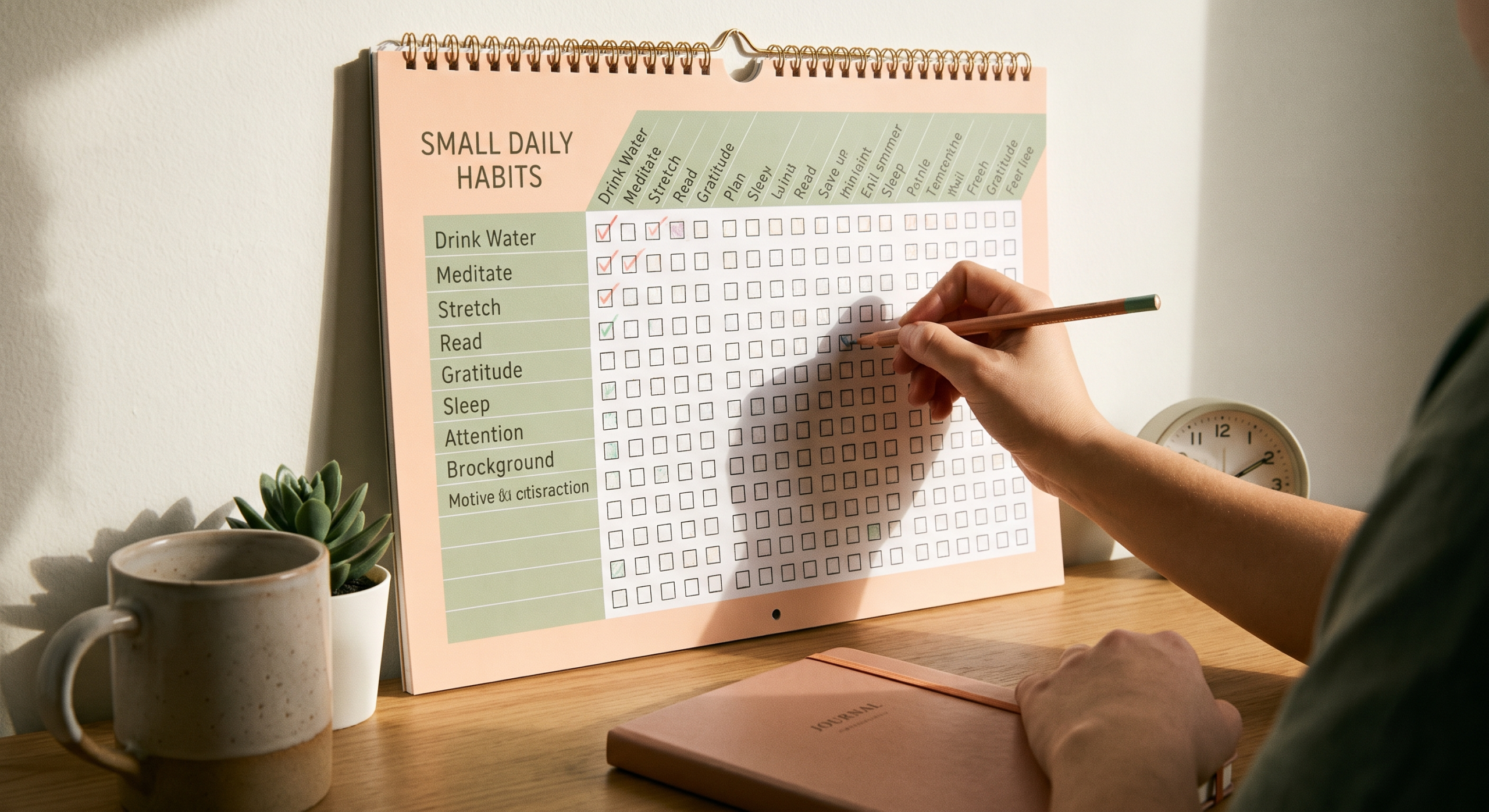
The wellness industry tends to sell transformation through intensity: 30-day challenges, hour-long workout routines, complete dietary overhauls. But research consistently shows that the most durable improvements to mental and physical health don’t come from dramatic reinventions — they come from tiny, almost embarrassingly small habits practiced with consistency.
Micro-habits are small, specific behaviors that take two minutes or less to complete. They’re designed not to change your life overnight but to become anchored to your existing routine so reliably that they happen automatically. And their cumulative effect on mental wellness is profound.
The Science Behind Small Actions
BJ Fogg, behavior researcher at Stanford and author of Tiny Habits, has spent decades studying how behaviors form and stick. His central finding contradicts conventional wisdom: motivation is not the engine of behavioral change. Environment design and habit architecture are.
Why Big Goals Often Backfire
When we set large behavioral goals — “meditate for 30 minutes every morning,” “exercise every day,” “eat perfectly” — we’re fighting against our brain’s fundamental wiring. The brain’s reward system requires immediate feedback. Large goals delay reward indefinitely. Small habits deliver immediate satisfaction from completion, which reinforces the behavior and makes it more likely to repeat.
The Compound Effect
James Clear’s research, documented in Atomic Habits, quantifies this: a 1% improvement daily compounds to a 37x improvement over a year. This isn’t motivational math — it’s the actual mechanical result of consistent small actions accumulating. The same principle applies to mental wellness: small daily practices that regulate mood, build resilience, and reinforce positive neural pathways compound into dramatically improved baseline mental health.
12 Micro-Habits for Mental Wellness (Under 2 Minutes Each)
Morning Micro-Habits
1. Three conscious breaths before getting out of bed. Before touching your phone or doing anything else, take three slow, deliberate breaths. This activates the parasympathetic nervous system and creates a calm starting state rather than jumping immediately into stress-mode. Time: 30 seconds.
2. Write one thing you’re looking forward to today. Not three, not five. One specific thing. This primes the brain to look for positive experiences throughout the day, which increases the likelihood of actually noticing and enjoying them. Time: 60 seconds.
3. Drink a full glass of water before coffee. Dehydration worsens mood, concentration, and anxiety — often before you notice you’re thirsty. This single habit consistently in place can reduce baseline irritability measurably. Time: 30 seconds.
Midday Micro-Habits
4. The 20-20-20 eye reset with a mood check. Every 20 minutes, look at something 20 feet away for 20 seconds. While you do, do a quick body scan: Where am I carrying tension? Am I breathing shallowly? This habit reduces both physical tension and unconscious stress accumulation. Time: 20 seconds.
5. Send one genuine appreciation message. Text, email, or say aloud one specific thing you appreciate about someone in your life. Research consistently shows that expressing gratitude boosts the mood of the sender as much as the recipient, and the specificity (“I appreciated how you listened yesterday”) matters more than the medium. Time: 90 seconds.
6. Step outside for 90 seconds. Natural light, even through clouds, significantly impacts serotonin production and circadian rhythm regulation. A 90-second outdoor break midday is enough to meaningfully affect afternoon energy and mood. Time: 90 seconds.
Transition Micro-Habits
7. The commute reset. If you drive or commute, use the first two minutes of travel for silence — no podcast, no music, no phone. Let your mind process what just happened before consuming more input. Many people report this single habit substantially reduced work-to-home stress transfer. Time: 2 minutes.
8. Change one item of clothing when you get home. This sounds trivial, but behavioral research shows that small ritualistic transitions help the brain shift contextual modes. Changing shoes or putting on a different shirt signals “work is done” to your nervous system in a way that simply walking through the door doesn’t. Time: 60 seconds.
Evening Micro-Habits
9. Write tomorrow’s single most important task tonight. Not a full to-do list. One thing. Externalizing your most important priority before sleep reduces nighttime rumination about “what needs to get done.” The brain can stop rehearsing and let go. Time: 60 seconds.
10. Dim your screens 30 minutes before bed. Turn on night mode, lower brightness to minimum. Blue light’s impact on melatonin production is well-documented, but the dimming itself also signals winding-down to the nervous system through visual context. Time: 30 seconds to set up.
11. One intentional moment of physical warmth. A warm shower, a warm drink, a heated blanket. Warmth activates the body’s comfort response through thermoreceptors linked to the insula — the same brain region that processes social warmth and belonging. Physical warmth literally makes you feel more psychologically safe. Time: ongoing, but initiated in 10 seconds.
12. Five slow exhales. The exhale activates the vagus nerve. Five slow, deliberate exhales (longer out than in) are enough to measurably lower heart rate and cortisol within two minutes. This is the fastest evidence-based intervention for acute stress that exists. Time: 90 seconds.
Micro-Habit Comparison: Effort vs. Mental Health Impact
| Habit | Time Required | Effort Level | Primary Mental Health Benefit | Research Backing |
|---|---|---|---|---|
| Morning breathing | 30 sec | Very Low | Reduced anxiety, calm start | Strong |
| Gratitude expression | 90 sec | Low | Increased happiness, connection | Very Strong |
| Outdoor light break | 90 sec | Low | Mood, energy, circadian rhythm | Strong |
| Transition ritual | 60 sec | Very Low | Work-life separation, reduced stress | Moderate |
| Tomorrow’s priority | 60 sec | Low | Reduced rumination, better sleep | Moderate |
| 5 slow exhales | 90 sec | Very Low | Immediate anxiety reduction | Very Strong |
How to Build the Stack: The Anchor Method
The most effective way to install micro-habits is to anchor them to existing behaviors you already do automatically. BJ Fogg calls these “anchors” — existing habits that trigger the new behavior.
The Formula
“After I [existing anchor], I will [new micro-habit].”
- “After I sit up in bed, I will take three conscious breaths.”
- “After I pour my coffee, I will write one thing I’m looking forward to.”
- “After I turn off my work computer, I will write tomorrow’s top priority.”
Don’t try to build motivation or willpower. Build a schedule that places the new behavior directly behind an existing one, so it gets carried along automatically.
Start Embarrassingly Small
If you’re not currently doing any of these practices, start with exactly one. Practice it for two weeks before adding another. The temptation to overhaul everything at once is the most common reason wellness routines collapse within three weeks.
Frequently Asked Questions
Do micro-habits actually work, or is this just low-effort wellness theater?
The evidence is clear: small habits that stick produce better long-term outcomes than large habits that don’t. A 30-second breathing practice done daily for a year has more impact than a 30-minute meditation practice done four times and abandoned. Sustainability is the variable that matters most.
How long before micro-habits become automatic?
Research from Phillippa Lally at UCL found that habits take an average of 66 days to become automatic — not the often-cited 21 days. Simple behaviors (drinking water after waking) take about 20 days; more complex ones can take over 80. Expect about two months before something truly feels effortless.
What if I miss a day?
Miss as many days as you need to. The same UCL research found that missing one day had no statistically significant effect on habit formation. What matters is the overall pattern, not the perfect streak. The all-or-nothing framing of habit keeping is itself a mental health trap.
Can micro-habits replace therapy or medication?
No. Micro-habits are lifestyle support, not clinical treatment. For moderate to severe depression, anxiety disorders, trauma, or other clinical mental health conditions, evidence-based professional treatment is essential. Micro-habits work best as complementary practices that support and maintain mental wellness.
Conclusion
The revolutionary thing about micro-habits is that they ask nothing of you except consistency. No gym membership, no 5 AM alarm, no complete lifestyle transformation. Just small, specific behaviors that become automatic through repetition and anchor to the routines you already have.
Mental wellness doesn’t require grand gestures. It requires showing up — briefly, consistently, every day. Start with one micro-habit from this list. Practice it until it’s automatic. Then add another. Eighteen months from now, you’ll have built a system of daily practices that supports your mental health the way regular meals support your physical health: unremarkably, automatically, and powerfully.