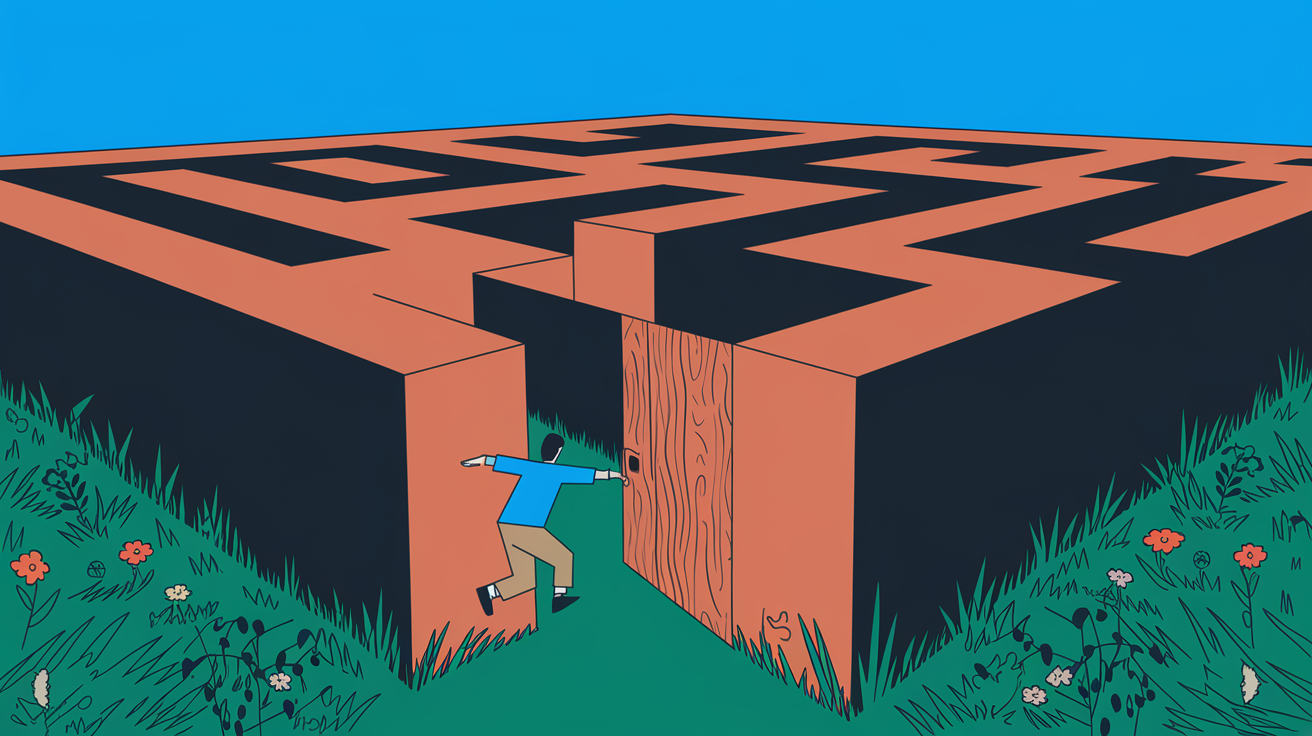
Life will inevitably bring setbacks, losses, and stressors you didn’t ask for. What separates people who are crushed by these experiences from those who adapt and grow isn’t luck or personality—it’s resilience. Emotional resilience is not the absence of pain; it’s the capacity to experience difficulty and recover without being permanently diminished. The best news: resilience isn’t a fixed trait. It’s a skill set that anyone can build through deliberate practice. This guide breaks down the science of resilience and gives you actionable strategies to strengthen yours.
What Is Emotional Resilience?
Emotional resilience is the ability to adapt to stressful situations, recover from adversity, and return to (or exceed) your baseline functioning after difficult experiences. It involves both coping effectively in the moment and growing through difficulty over time—a process psychologists call post-traumatic growth.
Resilience Is Not the Same as Toughness
A common misconception is that resilience means suppressing emotions, “toughing it out,” or never feeling vulnerable. Research shows the opposite: emotionally resilient people tend to have richer emotional lives, not flatter ones. They feel difficult emotions fully but don’t get stuck in them. They process grief, fear, and anger and move through them rather than around them.
The Resilience Spectrum
Resilience exists on a spectrum. At one end is rigid brittleness (falling apart under stress); at the other is flexible strength (bending under pressure and returning to shape). Most people sit somewhere in the middle, and targeted practice can move you toward greater flexibility and strength.
The Biology of Resilience
Resilience has a neurobiological basis. Understanding the biology helps explain why some resilience practices work so powerfully.
The Role of the Prefrontal Cortex
The prefrontal cortex (PFC) is your brain’s executive center—responsible for emotional regulation, perspective-taking, and impulse control. Strong PFC function allows you to “think before you react,” interpret stressors less catastrophically, and choose adaptive responses. Mindfulness, therapy, and quality sleep all strengthen PFC function.
Cortisol and the Stress Response
Chronic stress floods the brain with cortisol, which can damage the hippocampus (memory and learning center) and weaken the PFC. Resilience practices reduce baseline cortisol, protecting brain structure and maintaining clear thinking under pressure.
Neuroplasticity: The Biological Basis of Growth
The brain can physically reorganize itself in response to experience throughout life. This neuroplasticity means that resilience-building practices—even started in adulthood—literally reshape neural pathways, making adaptive responses more automatic over time.
Core Pillars of Emotional Resilience
Research across thousands of studies has identified consistent factors that predict resilience. Building strength in each area creates a robust psychological foundation.
1. Social Connection
Strong social bonds are the single most powerful predictor of resilience. Humans are wired for connection; isolation amplifies stress while belonging buffers it. Resilient people actively maintain relationships even when (especially when) they’d rather withdraw.
2. Emotion Regulation Skills
Resilience isn’t about not feeling negative emotions—it’s about processing them effectively. Skills include identifying emotions accurately, tolerating discomfort without acting impulsively, and using strategies like reappraisal to shift perspective.
3. Cognitive Flexibility
Resilient people interpret adversity in multiple ways and can shift perspectives. They avoid catastrophizing (believing the worst will happen and that it will be unbearable) and maintain what psychologist Martin Seligman calls an “explanatory style” that doesn’t make setbacks permanent, pervasive, or personal.
4. Meaning and Purpose
Having a sense of purpose provides motivational scaffolding during difficult times. Research on Holocaust survivors, cancer patients, and disaster survivors consistently shows that those with a strong sense of meaning endure more and recover faster.
5. Physical Foundation
Sleep, exercise, and nutrition are not soft variables—they’re biological prerequisites for psychological resilience. Sleep deprivation alone mimics the symptoms of depression. Regular exercise produces neurochemicals that buffer stress. A poor physical foundation undermines every other resilience strategy.
Practical Resilience-Building Strategies
Knowing the pillars of resilience is valuable; having specific practices to build them is essential.
Cognitive Reappraisal
Reappraisal is the practice of finding alternative, less threatening interpretations of difficult situations. When facing a setback, ask: “What else could this mean? Is there a way to see this as a challenge rather than a threat? What would this look like in 5 years?” This isn’t denial—it’s deliberately expanding your interpretive options.
The RAIN Technique for Difficult Emotions
RAIN is a mindfulness-based approach to processing strong emotions without being overwhelmed by them:
- Recognize: Name the emotion (anger, fear, sadness)
- Allow: Let it be present without fighting or fleeing
- Investigate: Explore it with curiosity—where do you feel it in your body?
- Nurture: Treat yourself with compassion as you would a friend
Building Your Stress Response Portfolio
Different stressors require different coping strategies. Build a diverse portfolio: exercise for physical tension, journaling for emotional processing, social connection for isolation, mindfulness for rumination, and problem-solving for controllable stressors. Relying on one strategy for all situations limits resilience.
Resilience-Building Practices Compared
| Practice | Targets | Time Required | Evidence Level | Best For |
|---|---|---|---|---|
| Mindfulness meditation | Emotion regulation, PFC | 10-20 min/day | Very High | Anxiety, rumination |
| Cognitive reappraisal | Cognitive flexibility | 5-10 min/day | Very High | Catastrophizing, stress |
| Social connection rituals | Social bonds | Variable | Very High | Isolation, grief |
| Journaling | Emotional processing | 15-20 min/day | High | Trauma, confusion |
| Exercise | Cortisol, neuroplasticity | 20-30 min/day | Very High | Depression, anxiety |
| Values clarification | Meaning and purpose | One-time + review | High | Directionlessness |
Building Resilience Before You Need It
The best time to build resilience is before a crisis, not during one. Like physical fitness, psychological resilience built during calm periods provides a reserve to draw on when adversity strikes.
Deliberate Discomfort Practice
Voluntarily tolerating small discomforts—cold showers, difficult conversations, physical challenges—trains your nervous system to handle stress without flooding. Psychologists call this “stress inoculation.” Start small and build gradually.
Post-Traumatic Growth Journaling
After any significant challenge, reflect in writing: What did this experience teach me? How have I grown? What strengths did I discover? What am I grateful for despite the difficulty? This reflective practice accelerates post-traumatic growth and integrates difficult experiences into a coherent life narrative.
Frequently Asked Questions
Is resilience genetic or learned?
Both. Research suggests about 30-50% of resilience is heritable, but the majority is shaped by experience, relationships, and deliberate practice. Your genes set a range; your choices and environment determine where in that range you land.
Can therapy help build resilience?
Yes, particularly Cognitive Behavioral Therapy (CBT) and Acceptance and Commitment Therapy (ACT), both of which directly train cognitive flexibility and emotion regulation skills that underlie resilience. Therapy is especially valuable after significant trauma.
How long does it take to build resilience?
Measurable improvements in stress reactivity appear within 8-12 weeks of consistent practice. Deeper changes in cognitive patterns and emotional regulation take months to years. Resilience building is ongoing, not a destination.
Does resilience mean I won’t suffer during hard times?
No. Resilient people still grieve, struggle, and hurt. The difference is they process pain effectively rather than getting stuck in it, and they recover their functioning more quickly and sometimes emerge stronger than before.
What’s the fastest way to feel more resilient?
Call someone you love. Social connection provides immediate buffering against stress and is the most powerful single predictor of resilience. Beyond that, physical exercise provides rapid mood improvement through neurochemical changes.
How does resilience affect physical health?
Highly resilient people show lower baseline inflammation, faster wound healing, stronger immune function, and lower risk of chronic disease. The mind-body connection is bidirectional: psychological resilience supports physical health, and physical health supports psychological resilience.
Conclusion
Emotional resilience isn’t the ability to avoid pain—it’s the capacity to move through it and come out intact. Built on a foundation of social connection, emotion regulation, cognitive flexibility, meaning, and physical health, resilience is a learnable, expandable skill set. Start with the practices most accessible to you: one good conversation, one mindfulness session, one reappraisal exercise. Small consistent investments compound into extraordinary psychological strength over time. The adversity you’ll face in life is uncertain; the resilience you build starting today is entirely within your control.