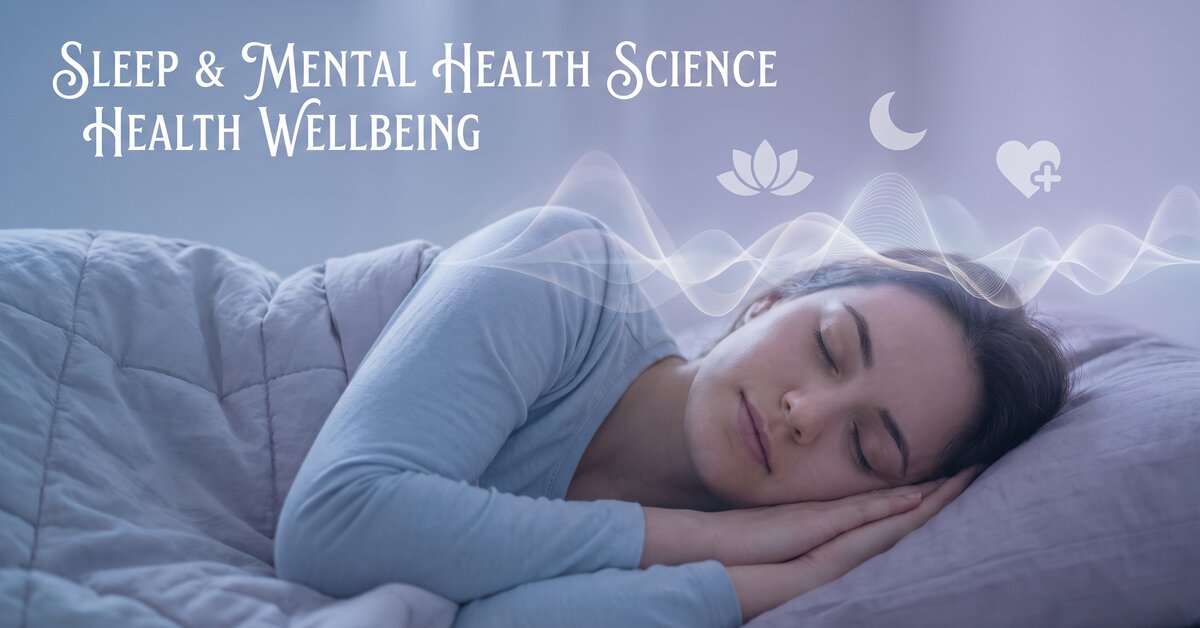
Sleep is the most underrated mental health intervention available — and it’s free. While therapy, medication, and mindfulness practices all have important roles in mental wellness, none of them work optimally when you’re chronically sleep-deprived. The research is unambiguous: sleep quality profoundly shapes emotional regulation, cognitive function, stress resilience, and long-term psychological wellbeing.
How Sleep Affects Your Brain and Emotions
During sleep, your brain performs critical maintenance work that directly impacts how you feel when you wake up. The amygdala — the brain’s emotional processing center — becomes significantly more reactive when you’re sleep-deprived, leading to heightened emotional responses, increased irritability, and reduced ability to regulate negative emotions.
The Prefrontal Cortex Disconnect
Sleep deprivation weakens the connection between the prefrontal cortex (rational decision-making, impulse control) and the amygdala. When this connection is compromised, people are more likely to overreact emotionally, make impulsive decisions, and struggle to maintain perspective. It’s not weakness — it’s neuroscience.
Memory Consolidation and Emotional Processing
During REM sleep, the brain processes emotional memories — essentially stripping the emotional charge from difficult experiences while retaining the informational content. This is why “sleeping on it” actually works, and why poor sleep can leave distressing emotions feeling unresolved the next day.
Sleep Deprivation and Mental Health
The Bidirectional Relationship
Sleep problems and mental health conditions exist in a bidirectional relationship. Depression causes insomnia; insomnia worsens depression. Anxiety disrupts sleep; poor sleep amplifies anxiety. Breaking this cycle often requires addressing both simultaneously.
Key Research Findings
A 2017 meta-analysis in Sleep Medicine Reviews found that insomnia is associated with a two-fold increased risk of developing depression. A 2022 Nature study found that regular 6–8 hours of quality sleep was associated with better mental health outcomes than exercise alone.
How Much Sleep Do You Actually Need?
| Age Group | Recommended Sleep | Minimum for Health |
|---|---|---|
| Adults (18–64) | 7–9 hours | 6 hours |
| Older Adults (65+) | 7–8 hours | 6 hours |
| Teenagers (14–17) | 8–10 hours | 7 hours |
| School Age (6–13) | 9–11 hours | 7 hours |
The Mental Health Benefits of Quality Sleep
Emotional Regulation
Well-rested people have greater capacity to manage difficult emotions, maintain perspective during stressful situations, and recover from emotional setbacks more quickly. This emotional resilience is a physiological advantage created by adequate sleep.
Reduced Anxiety
Quality sleep reduces baseline levels of cortisol and helps regulate the sympathetic nervous system. Chronically poor sleepers have measurably higher anxiety levels and are more prone to catastrophic thinking and worry spirals.
Improved Social Connection
Research from UC Berkeley found that sleep-deprived people are perceived as more socially repellent by others — and feel lonelier themselves. Sleep is literally a social fuel that powers our capacity for connection.
Science-Backed Strategies to Sleep Better
Consistent Sleep and Wake Times
Going to bed and waking at the same time every day — including weekends — is the single most effective behavioral intervention for sleep quality. Irregular schedules confuse your circadian rhythm and reduce sleep efficiency.
Wind-Down Rituals
Create a consistent 30–60 minute pre-sleep wind-down: dim lights (light suppresses melatonin), avoid screens, avoid caffeine after 2 PM, and engage in relaxing activities. Signal to your nervous system that sleep is approaching.
Temperature Regulation
Core body temperature drops during sleep onset. Sleeping in a cool room (65–68°F / 18–20°C) facilitates this process. A warm bath 1–2 hours before bed also helps — the subsequent temperature drop triggers sleepiness.
When to Seek Professional Support
If sleep problems persist for more than 3 weeks or significantly impact daytime function, consult a doctor or sleep specialist. Cognitive Behavioral Therapy for Insomnia (CBT-I) is the evidence-based first-line treatment for chronic insomnia — more effective long-term than sleep medication.
FAQ
Can you catch up on lost sleep over the weekend?
Partially. You can recover some physical effects of sleep debt with extra sleep, but cognitive and emotional deficits from chronic sleep deprivation don’t fully reverse with weekend catch-up sleep.
Does melatonin help?
Melatonin can help with sleep onset and is useful for jet lag. It’s not a sedative — it signals “time to sleep” rather than inducing sleep directly. For anxiety-related sleep disruption, addressing the anxiety is more effective.
Is it normal to feel anxious at night?
Very common. Body scan meditation, progressive muscle relaxation, and 4-7-8 breathing are effective techniques for calming nighttime anxiety.
How does alcohol affect sleep?
Alcohol may help you fall asleep but significantly disrupts sleep architecture — reducing REM sleep and causing fragmentation in the second half of the night. People who drink before bed often feel less rested despite sleeping the same hours.
What’s the connection between exercise and sleep?
Regular exercise is one of the most effective non-pharmacological interventions for improving sleep quality. Morning and afternoon exercise are better for sleep than vigorous late-night exercise.
How do screens affect sleep quality?
Blue light from screens suppresses melatonin production and delays sleep onset. Screen use also tends to keep the mind stimulated. A 30–60 minute screen-free wind-down period significantly improves sleep onset.
Conclusion
Sleep isn’t a luxury — it’s the biological foundation on which all mental health sits. No amount of positive thinking or mindfulness compensates for chronic sleep deprivation. By prioritizing consistent, quality sleep, you give your brain the nightly maintenance it needs to regulate emotions, process stress, and show up as your best self. Start tonight: commit to a consistent bedtime and create a genuine wind-down routine.