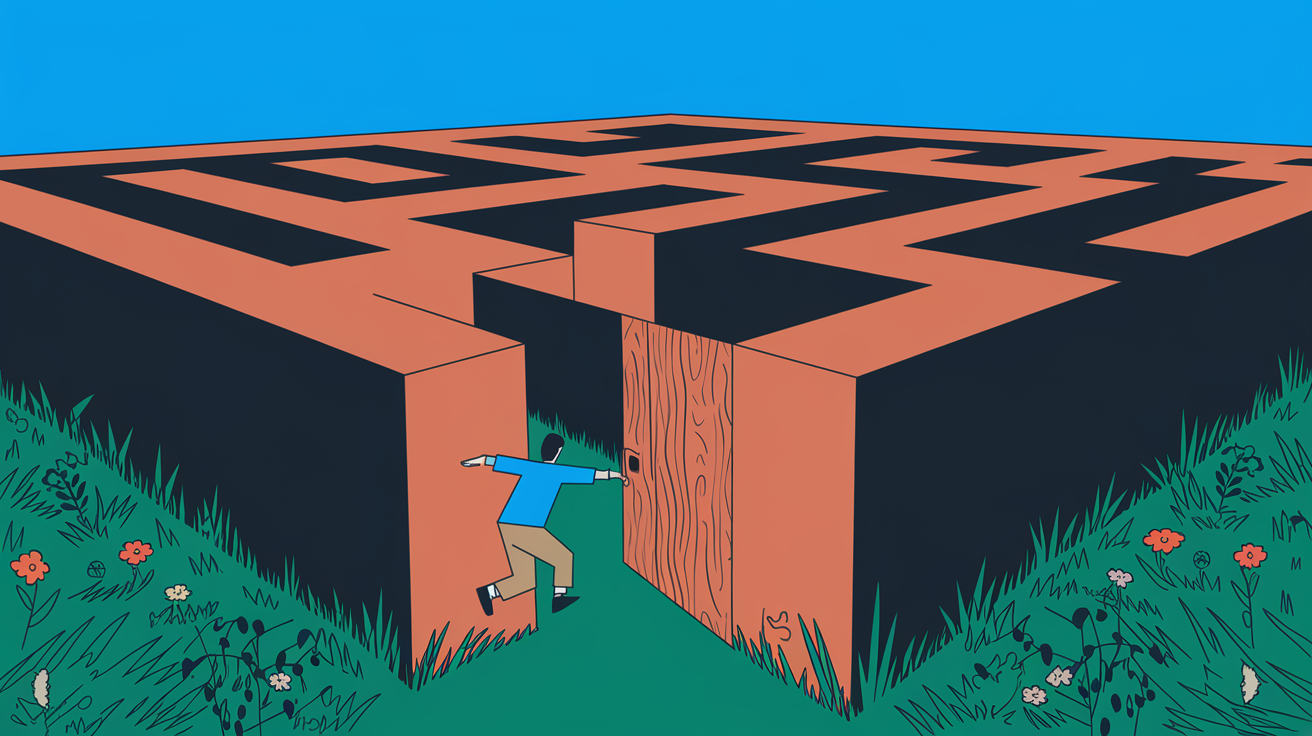
Stress is inevitable. Suffering from stress doesn’t have to be. Mental wellness — the ability to navigate life’s challenges while maintaining emotional balance and psychological resilience — is not a fixed trait but a dynamic capacity that can be deliberately developed. This guide explores evidence-based strategies for reducing stress, building resilience, and maintaining mental wellness even when life gets hard.
Understanding the Stress Response
Before you can manage stress effectively, it helps to understand what’s actually happening in your body and mind when you experience it.
The Biology of Stress
The stress response evolved to help us survive acute physical threats. When your brain perceives danger, it triggers the release of cortisol and adrenaline, preparing the body for fight or flight. This is useful when fleeing a predator. It becomes problematic when it’s triggered by email notifications, financial worries, and social conflicts — the chronic, low-grade stressors of modern life.
Acute vs Chronic Stress
Acute stress (short bursts in response to specific events) is normal and even beneficial — it sharpens focus and motivation. Chronic stress (persistent activation of the stress response over weeks or months) is the damaging kind. Chronic stress damages the hippocampus (affecting memory and learning), suppresses immune function, contributes to cardiovascular disease, and increases vulnerability to anxiety and depression.
Evidence-Based Stress Reduction Techniques
Diaphragmatic Breathing
Slow, deep breathing is the fastest evidence-based tool for reducing acute stress. The physiological mechanism is direct: deep breathing activates the parasympathetic nervous system (the “rest and digest” counterpart to “fight or flight”). The 4-7-8 technique (inhale for 4 counts, hold for 7, exhale for 8) and box breathing (4-4-4-4) are both effective. Five minutes of slow diaphragmatic breathing measurably reduces cortisol levels and self-reported stress.
Mindfulness-Based Stress Reduction (MBSR)
Developed by Jon Kabat-Zinn at the University of Massachusetts, MBSR is an 8-week program combining mindfulness meditation and yoga. It has the strongest evidence base of any psychological stress reduction intervention, with significant reductions in anxiety, depression, and stress markers across dozens of randomized controlled trials. Apps like Insight Timer, Ten Percent Happier, and Calm offer accessible entry points.
Cognitive Reappraisal
Cognitive reappraisal involves deliberately changing how you interpret a stressful situation. Instead of “I have to give this presentation and I might fail,” you reframe to “This is an opportunity to practice and improve.” Research shows that reappraisal reduces emotional reactivity in stressful situations and is associated with better long-term mental health outcomes than suppression (trying not to feel the emotion).
Building Psychological Resilience
Resilience isn’t about avoiding adversity — it’s about recovering from it. Resilient people aren’t less affected by setbacks; they return to baseline faster and often grow through difficult experiences (post-traumatic growth).
The Three Pillars of Resilience
Research on resilience consistently identifies three core factors: social support (having people to turn to in hard times), a sense of personal agency (believing your actions matter), and finding meaning (being able to make sense of difficult experiences in a larger context). Strengthening any of these pillars increases resilience.
Growth Mindset and Resilience
Carol Dweck’s research on growth mindset — the belief that abilities can be developed through effort — is directly relevant to resilience. People with growth mindsets interpret setbacks as feedback rather than evidence of fundamental inadequacy. This reframing maintains motivation and reduces the psychological damage of failure.
Mental Wellness Daily Practices
Mental wellness, like physical fitness, requires regular maintenance rather than periodic intervention. These daily practices create a foundation of psychological resilience.
Morning Anchoring
The first 20-30 minutes of your day have an outsized impact on your psychological state throughout the day. Avoiding screens immediately upon waking, establishing a brief mindfulness or journaling practice, and setting a clear intention for the day are all practices that research associates with better mood and productivity.
Movement Breaks
Prolonged sitting is associated with increased anxiety and depressed mood independent of overall exercise levels. Taking 5-minute movement breaks every 90 minutes — even just walking around your space or doing light stretching — counteracts this effect and maintains cognitive function and mood regulation throughout the day.
When to Seek Professional Help
Self-care practices are powerful but not a substitute for professional mental health care when it’s needed.
Signs You Should See a Mental Health Professional
- Persistent sadness or hopelessness lasting more than two weeks
- Anxiety that interferes with daily functioning
- Sleep disturbances (insomnia or hypersomnia) lasting more than a few weeks
- Significant changes in appetite or weight
- Difficulty concentrating or making decisions that affects work or relationships
- Thoughts of self-harm or suicide (seek help immediately)
Stress and Mental Wellness Strategies Comparison
| Strategy | Best For | Time to Effect | Evidence Level | Cost |
|---|---|---|---|---|
| Deep breathing | Acute stress | Minutes | High | Free |
| MBSR | Chronic stress, anxiety | 4-8 weeks | Very High | Low-medium |
| Exercise | Depression, anxiety | Days-weeks | Very High | Low |
| Therapy (CBT) | All mental health challenges | Weeks-months | Very High | Medium-high |
| Journaling | Emotional processing | Days-weeks | Medium-High | Free |
| Social connection | Loneliness, resilience | Immediate-weeks | Very High | Free |
Frequently Asked Questions
Is stress always bad for you?
No. Short-term stress (eustress) actually enhances performance, motivation, and immune function. The damaging effects are from chronic, unrelenting stress without adequate recovery. Reframing stress as energizing rather than harmful — when you have control over the situation — is itself an evidence-based intervention that improves outcomes.
How does sleep affect mental wellness?
Sleep is arguably the most important lever for mental wellness. REM sleep processes emotional experiences; slow-wave sleep consolidates memory. Poor sleep dramatically increases emotional reactivity, impairs decision-making, and increases vulnerability to anxiety and depression. Treating sleep as a mental wellness practice — not a luxury — is fundamental.
Can journaling actually reduce stress?
Yes. Expressive writing — writing about stressful events with emotional depth — has been shown to reduce stress hormones, improve immune function, and decrease symptoms of anxiety and depression. The key is genuine emotional expression rather than just describing events factually. 15-20 minutes of expressive writing three times per week shows measurable benefits.
What’s the difference between mindfulness and meditation?
Meditation is a formal practice (sitting quietly and focusing attention). Mindfulness is a quality of awareness — being fully present in the current moment without judgment — that can be cultivated both through formal meditation and informal practice (mindful eating, mindful walking, mindful conversations). Formal meditation is the most effective way to develop the mindfulness quality.
Conclusion
Mental wellness is not the absence of stress or difficulty but the capacity to navigate them without being overwhelmed. Building this capacity requires daily practices — breathing techniques for acute stress, mindfulness for chronic stress, exercise for mood regulation, and social connection for resilience. Start with the highest-leverage practice for your current challenge, implement it consistently, and add layers over time. And when self-care isn’t enough, professional mental health support is not a last resort — it’s a legitimate, effective tool that deserves the same stigma-free consideration as physical medical care.