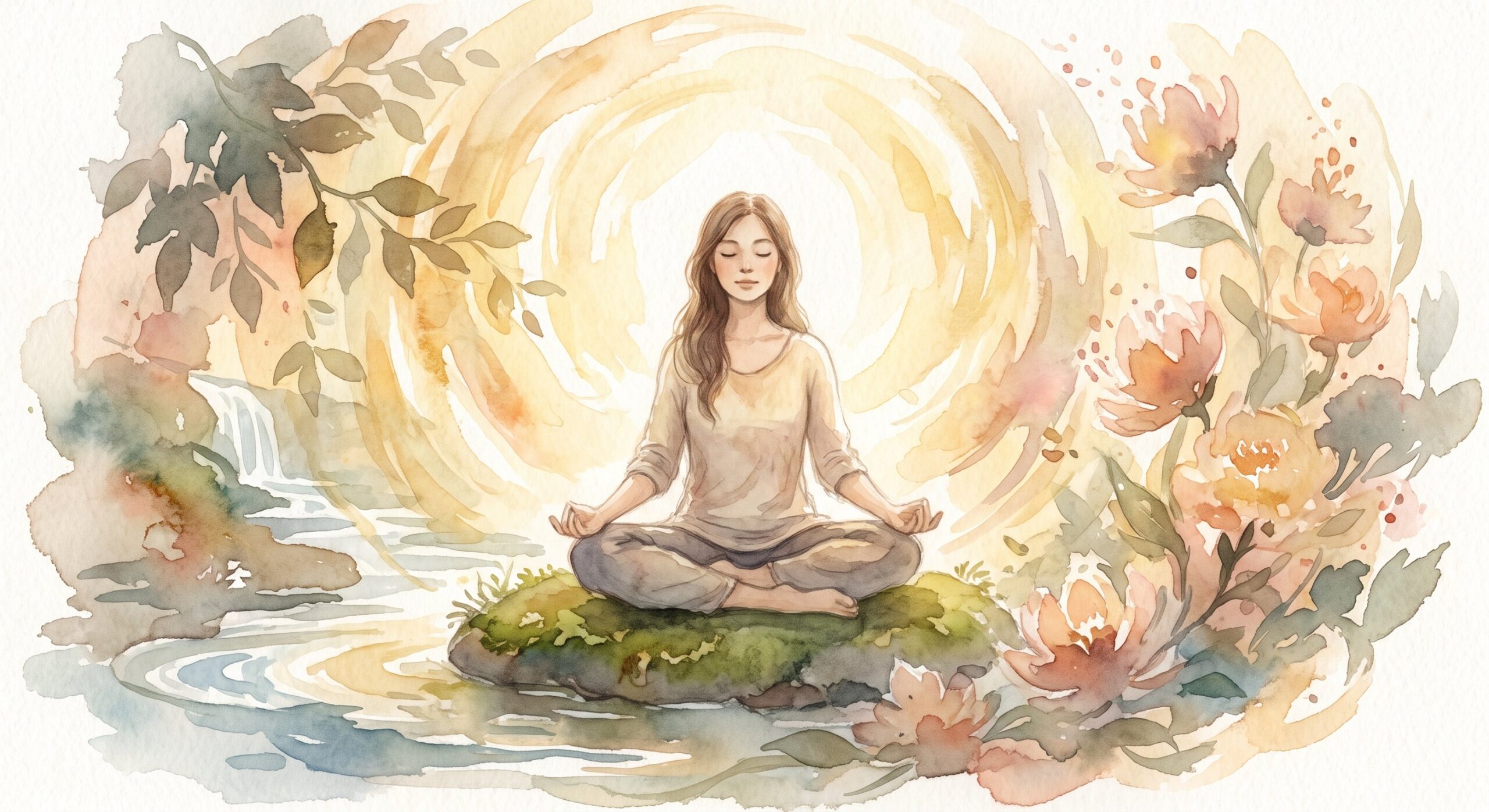
Meditation has gone from ancient spiritual practice to mainstream wellness tool—and for good reason. Decades of research confirm that a consistent mindfulness practice reduces anxiety, improves focus, and increases overall life satisfaction. But knowing the benefits and actually sitting down to meditate every day are two very different things. If you’ve tried meditation before and given up, you’re not alone. This guide will show you how to build a daily meditation habit that actually sticks, starting from zero.
What Is Mindfulness Meditation?
Mindfulness meditation is the practice of paying deliberate, non-judgmental attention to the present moment—typically your breath, body sensations, or surroundings. Unlike relaxation techniques, mindfulness isn’t about clearing your mind; it’s about noticing when your mind wanders and gently returning your attention to your anchor (usually the breath).
The Science Behind Mindfulness
MRI studies show that regular meditation physically changes the brain. The amygdala—your brain’s alarm center—becomes less reactive. The prefrontal cortex, responsible for decision-making and emotional regulation, grows denser. Even 8 weeks of regular practice produces measurable changes in brain structure and function.
Different Types of Mindfulness Practice
- Breath-focused meditation: Anchor attention to the physical sensation of breathing
- Body scan: Systematically notice sensations from head to toe
- Loving-kindness (Metta): Cultivate compassion for yourself and others
- Mindful movement: Yoga, walking meditation, or tai chi
- Open awareness: Notice all sensory experiences without focusing on one
Why Most People Quit Meditation (and How to Avoid It)
Understanding the common pitfalls is half the battle. Most beginners quit within the first two weeks because of unrealistic expectations, poor timing, or the belief that they’re “doing it wrong.”
The Myth of the Empty Mind
The biggest misconception about meditation is that success means having no thoughts. It doesn’t. Every mind wanders—even experienced meditators. The practice is noticing the wandering and returning. Each return is a mental rep, like a bicep curl for your attention muscle.
Fixing the “I Don’t Have Time” Problem
Research shows that even 5-10 minutes of daily meditation produces significant benefits. The barrier isn’t time—it’s habit formation. Instead of scheduling meditation as a standalone event, attach it to an existing habit (after morning coffee, before brushing teeth, after arriving at work).
How to Start a Meditation Practice in 5 Steps
The best meditation practice is the one you’ll actually do. Start embarrassingly small and build from there.
Step 1: Choose a Time and Anchor It to a Habit
Morning meditation before the day’s demands intrude works best for most people. Link it to something you already do: “After I pour my morning coffee, I will sit and meditate for 5 minutes.” This habit stacking removes decision fatigue.
Step 2: Start with Just 5 Minutes
Set a timer for 5 minutes. Sit comfortably (you don’t need to sit cross-legged—a chair is fine). Close your eyes or soften your gaze. Focus on the physical sensation of breathing: the air entering your nostrils, the chest or belly rising and falling. When your mind wanders, notice it and return to the breath. That’s it.
Step 3: Use Guided Meditation to Learn
Apps like Headspace, Calm, Insight Timer, and Waking Up offer beginner courses that teach technique while keeping you on track. Use guided sessions for the first 30 days, then gradually transition to unguided practice if you want to.
Step 4: Track Your Streak
Habit tracking creates accountability. Use a simple calendar, a habit app, or a journal. Mark each day you meditate. After 7 consecutive days, you’ll be motivated to protect your streak. After 30, the habit begins to feel automatic.
Step 5: Handle Missing Days Without Quitting
Missing one day is inevitable. The rule: never miss twice in a row. One missed day is an accident. Two missed days is the start of a new (bad) habit. When you miss, don’t try to do double the next day—just do your regular session and move on.
Beginner Meditation Techniques Compared
| Technique | Best For | Duration | Difficulty | App Support |
|---|---|---|---|---|
| Breath Focus | Stress, anxiety | 5-20 min | Beginner | Headspace, Calm |
| Body Scan | Sleep, body awareness | 10-30 min | Beginner | Insight Timer |
| Loving-Kindness | Depression, relationships | 10-20 min | Intermediate | Waking Up |
| Mindful Walking | Restlessness, exercise | 10-30 min | Beginner | Any timer app |
| Open Awareness | Advanced practitioners | 15-45 min | Advanced | Waking Up |
Common Beginner Mistakes and How to Fix Them
Knowing what not to do accelerates your progress and prevents early discouragement.
Expecting Instant Results
Mindfulness benefits compound over time. You’ll likely notice subtle improvements in patience and reactivity after 2-3 weeks, but significant changes take 6-8 weeks of consistent practice. Treat early sessions as deposits in a bank account you’ll draw from later.
Meditating When Exhausted
Meditating right before sleep when you’re tired often leads to falling asleep, not meditation. If you’re an evening meditator, try earlier in the evening or switch to morning sessions.
Trying to Force Relaxation
Paradoxically, trying hard to relax creates tension. Mindfulness is about observation, not forcing any particular state. Notice whatever is present—restlessness, discomfort, racing thoughts—without trying to change it. This acceptance is the practice.
Frequently Asked Questions
How long does it take to see benefits from meditation?
Many people notice reduced reactivity and improved mood within 2-4 weeks of daily 10-minute sessions. Research shows significant brain changes after 8 weeks of consistent practice.
Do I need to sit cross-legged to meditate?
No. Sit however you’re comfortable—on a chair, cushion, or floor. The key is keeping your back relatively upright so you stay alert. Lying down works for body scans but often leads to sleep.
What if I can’t stop thinking during meditation?
Thinking is normal and expected. The practice is noticing thoughts and returning to your breath. Each time you notice and return, you’re doing it correctly. There’s no such thing as a “failed” meditation session.
Is 5 minutes of meditation enough?
Yes, especially for beginners. Five consistent minutes daily outperforms sporadic 30-minute sessions. Build duration gradually: 5 minutes for weeks 1-2, 10 minutes for weeks 3-4, and so on.
What’s the best meditation app for beginners?
Headspace excels at teaching technique through structured beginner courses. Calm offers a wider variety of sleep and anxiety content. Insight Timer has the largest library of free guided sessions. Try all three free trials and pick what resonates.
Can meditation help with anxiety?
Yes—mindfulness-based interventions are among the most well-researched treatments for anxiety. Multiple meta-analyses show significant anxiety reduction from 8-week mindfulness programs. It complements but doesn’t replace professional mental health treatment for clinical anxiety disorders.
How do I stay consistent when I don’t feel like meditating?
Lower the bar on bad days. Commit to just 2 minutes. Often you’ll continue once started. If not, 2 minutes still counts and preserves your habit. Motivation follows action, not the other way around.
Conclusion
Building a daily meditation habit doesn’t require willpower or perfect conditions—it requires a small, specific commitment and a few smart habit design principles. Start with 5 minutes, attach it to something you already do, track your progress, and forgive yourself for missed days. The compounding benefits of consistent practice will do the rest. Your future self, with a calmer mind and steadier emotional responses, will thank you for starting today.